Fleet downtime rarely comes from one huge failure out of nowhere. More often it’s a stack of smaller delays that snowball: a van sidelined by a warning light, a truck waiting on a part that could have been ordered sooner, or a driver mentioning a noise only after it becomes impossible to ignore.
A strong schedule keeps those small problems from turning into lost days.
Where Fleet Downtime Really Comes From
Most downtime is predictable once you start tracking it. Wear items follow patterns, and fluid-related issues almost always give early hints. In our experience, fleets often lose more time to repeat minor interruptions than to major repairs, mainly because the little stuff never had a consistent plan.
Another cause is timing. If maintenance happens only when a vehicle feels due, you end up with several units needing service at the same time. Staggering work by usage, route type, and vehicle age helps you avoid bottlenecks and keeps more vehicles on the road.
Build A Maintenance Schedule Around Use, Not Just Miles
A fleet schedule works best when it matches how the vehicles are actually used. A delivery van that idles all day and does short trips usually needs different intervals than a highway vehicle with steady miles. Engine hours, idle time, payload, and stop-and-go driving add wear in ways the odometer does not fully capture.
This is where regular maintenance becomes a downtime strategy, not just an expense. When service intervals reflect real-world use, you catch problems earlier and prevent repairs from stacking up. You also avoid letting vehicles run in that in-between zone where they still move but slowly become less dependable.
The Four Service Categories Fleets Should Track
A simple schedule is easier to follow than a complicated one. The best fleet programs track service in a few categories, then set intervals by miles, time, or hours depending on each vehicle’s job. That keeps decisions consistent even when different people are managing the fleet.
Here are four categories that cover most preventable downtime.
Fluids And Filters
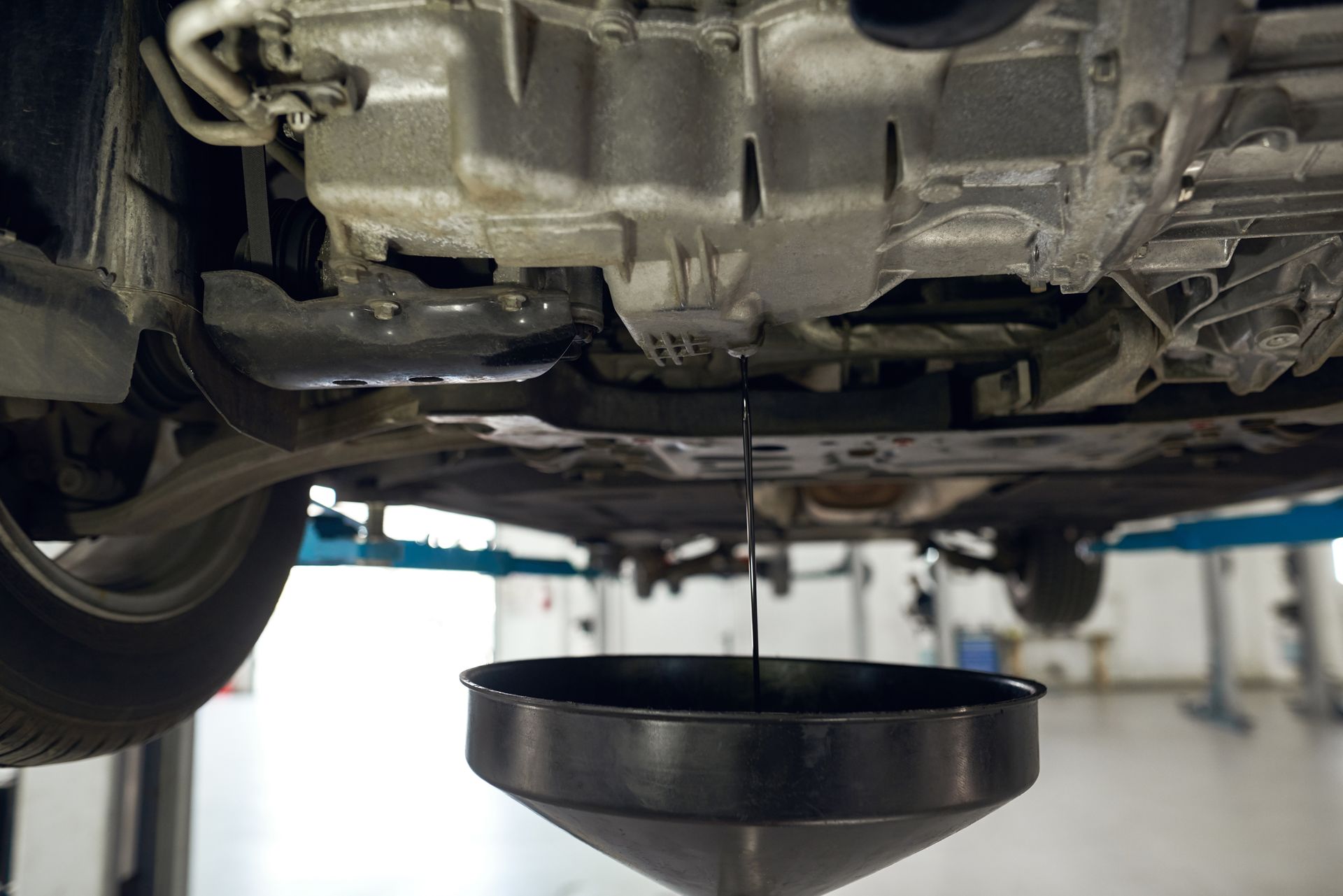
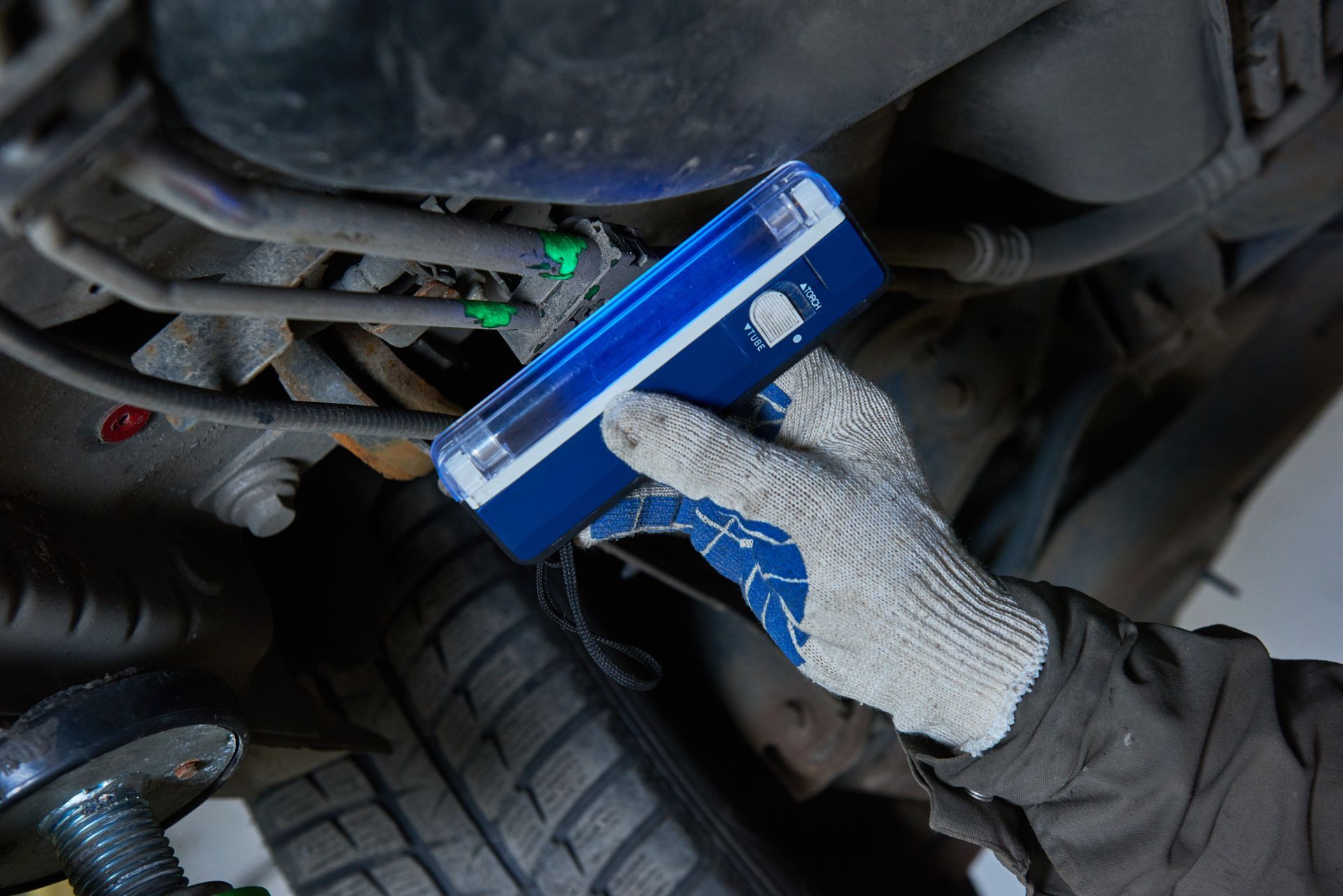
Track oil service, coolant condition checks, transmission and brake fluid intervals, and air and cabin filters. Fluids are a reliability multiplier, and neglected fluids usually show up later as bigger problems.
Tires And Alignment
Track pressure checks, rotations, uneven wear trends, and alignment checks, especially after pothole seasons. Tire-related downtime is often avoidable because wear patterns tell the story early.
Brakes And Suspension
Track pad life, rotor condition, and steering and suspension wear before it gets noisy or loose. A brake or suspension issue often starts as a small feel change long before it becomes a safety concern.
Battery And Charging Health
Track battery testing, alternator output checks, and cable and terminal condition. Low voltage can cause warning lights and no-start situations that cost far more time than the test that could have caught it.
Once these are tracked, patterns become obvious. You can identify which routes chew through brakes faster or which vehicles tend to struggle with electrical issues after cold snaps. That kind of trend tracking is what prevents repeat downtime.
Use Driver Checks To Catch Problems Early
Drivers are your early warning system, but they need a simple routine and a clear way to report issues. The goal is not to turn drivers into technicians. The goal is to catch changes before they turn into missed stops, roadside calls, or last-minute drop-offs.
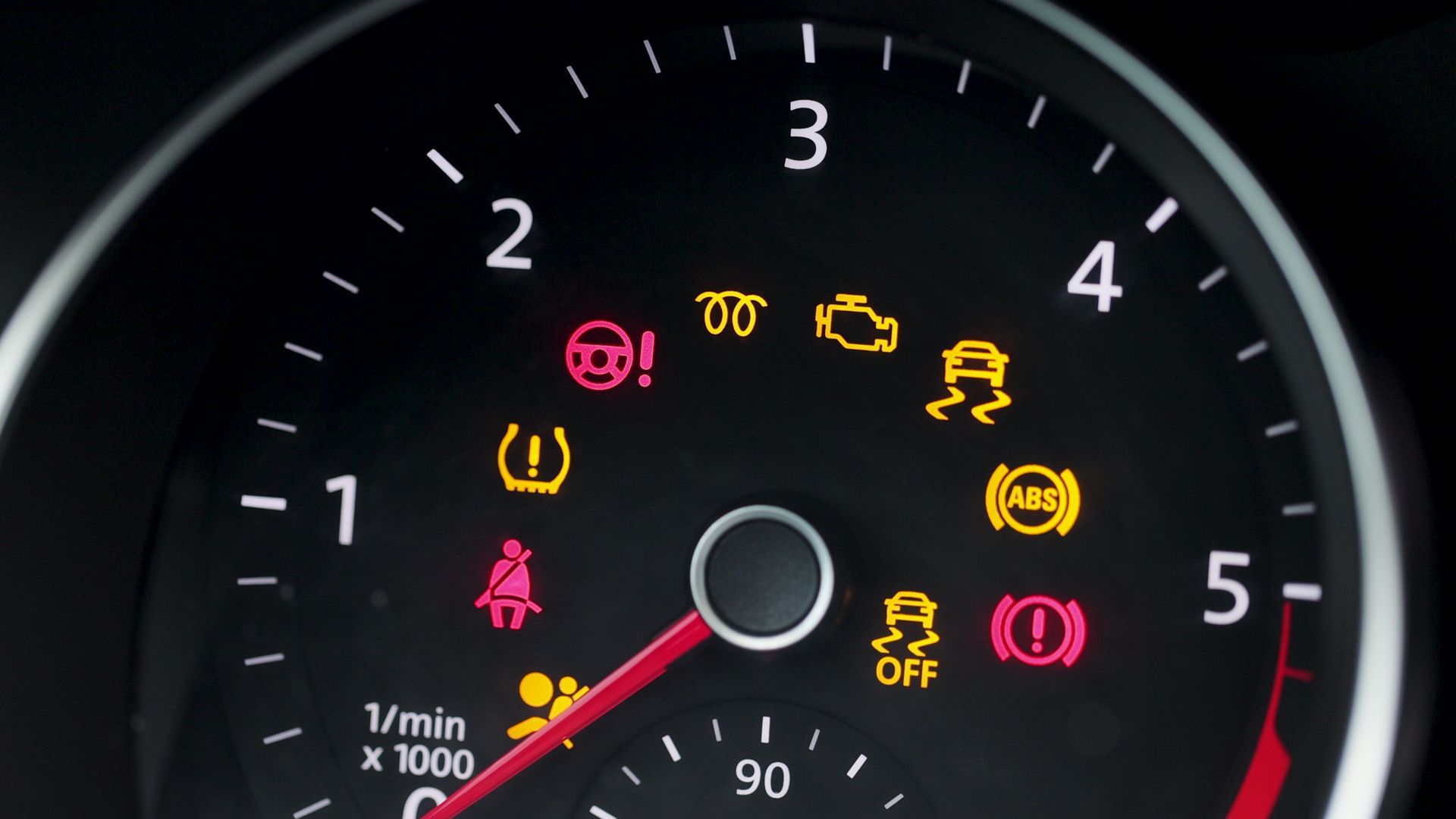
A short weekly inspection checklist works best when it focuses on what a driver can actually notice: tire warning lights, new noises, fluid smells, changes in braking feel, or a temperature gauge behaving differently. Keep it short and consistent and compliance tends to go up. Surprises tend to go down.
Plan For Wear Items Before They Become Breakdowns
Wear items are the most budget-friendly place to reduce downtime because they are expected and usually schedulable. Brakes, tires, belts, batteries, and cooling system hoses all have fairly predictable life ranges, especially when you track them by route type and vehicle role.
Planning ahead also helps parts availability. If you know a set of vehicles is likely to need brakes or tires within the next month, you can stage parts and schedule labor without scrambling. That reduces the common problem of a vehicle sitting for days waiting on one item.
Keep Records That Make Decisions Faster
A schedule is only as good as the records behind it. If you cannot quickly answer what was done last, when it was done, and why it was done, your team will waste time debating instead of fixing. A shared log that tracks mileage, date, services performed, and recurring notes is usually enough to tighten decision-making.
Records also help you retire vehicles at the right time. When repair frequency rises and downtime starts affecting operations, you can make a clear call based on history rather than frustration. If you want the schedule to stick, make recordkeeping easy, consistent, and required.
Get Fleet Maintenance In Endicott, NY, With Precision Automotive Service NY
Precision Automotive Service NY in Endicott, NY, can help you build a fleet plan that reduces downtime, staggers service intervals, and catches wear items before they become roadside problems.
Schedule a fleet visit and get a maintenance rhythm your team can actually follow.