Winter windshield fog feels like it comes out of nowhere. You start driving, the glass hazes up, and suddenly you’re wiping the inside with your sleeve while trying to see the road. It’s annoying, but it’s also a visibility problem that can sneak up at the worst time.
Fogging occurs when warm, moist air inside the car meets cold glass, turning that moisture into a thin film of water.
The trick is figuring out where that moisture is coming from and why your defroster is not clearing it quickly.
Why Winter Fog Forms So Quickly Inside The Cabin
Cold weather creates a big temperature gap between the cabin air and the windshield. Even normal humidity from your breath can be enough to fog the glass when the windshield is icy cold. Add wet shoes, damp jackets, or a couple of passengers, and the cabin humidity climbs fast.
Once moisture is trapped inside, it keeps cycling. The heater warms the air, the warm air hits cold glass, and the glass fogs again. That’s why fogging often feels constant until you change airflow, remove moisture, or fix an underlying HVAC issue.
Moisture Sources Drivers Commonly Overlook
Sometimes the cabin is simply too wet. Snow on floor mats melts and soaks into the carpet, and then it slowly releases moisture every time the heater runs. If you carry sports gear, umbrellas, or wet cargo, the same thing happens. We’ve seen cars where the trunk carpet was damp for weeks, and the driver had no idea it was feeding fog every morning.
Another overlooked source is water intrusion. Door seals, windshield seals, sunroof drains, and cowl drains can let water into the cabin, especially after heavy rain followed by a cold snap. A musty smell, damp carpet, or windows that fog even when nobody is in the car are good hints that hidden moisture is living inside.
How The Defroster Clears Fog And Why It Sometimes Struggles
A defroster clears fog by doing two things at the same time: warming the glass and drying the air. Warming the glass reduces condensation. Drying the air lowers humidity, so the fog stops returning. That drying effect usually depends on the AC system, even in winter. The AC removes moisture from the air before it gets heated and blown on the windshield.
If the AC is not working well, or if the system is stuck in recirculate mode, fog can take much longer to clear. A clogged cabin air filter can also reduce airflow, so you’re not getting enough volume across the windshield to keep up with the condensation.
Owner Mistakes That Make Fogging Worse
A big one is using recirculate mode when the windows are fogging. Recirculating warms up the cabin faster, but it traps humid air. Fresh air mode brings in drier outside air, which helps reduce humidity inside the cabin.
Another mistake is trying to solve fog with heat alone. Heat helps, but if the air is still humid, the fog comes right back. Also, wiping the inside of the glass with a dirty rag can leave a film that attracts moisture, so the windshield fogs faster next time.
If you notice oily or stubborn fog, it can be a clue that the glass has residue on it. Interior cleaners, smoke residue, and even plastic off-gassing can leave a film that makes condensation cling harder.
Quick Steps That Usually Clear Fog Faster
Start with airflow and dry air. Put the system in fresh air, turn the fan up, and aim the airflow at the windshield. Use AC if your vehicle allows it with defrost. You can still run warm air, the AC is just drying it first.
Here are a few practical habits that help a lot:
- Knock snow off shoes and shake out floor mats
- Remove soaked mats and let them dry outside the vehicle
- Clean the inside of the windshield with a proper glass cleaner and a clean towel
- Replace a clogged cabin air filter if airflow has dropped
These steps won’t fix a mechanical issue, but they can reduce fogging immediately while you sort out the root cause.
When Fogging Points To A Mechanical Problem
If your windows fog constantly and clear very slowly, even with defrost running, it may be more than winter humidity. A weak AC system can reduce dehumidification. A failing blend door or mode door can keep air from being directed properly to the windshield. Low airflow from a blocked cabin filter or a blower issue can also limit defrost performance.
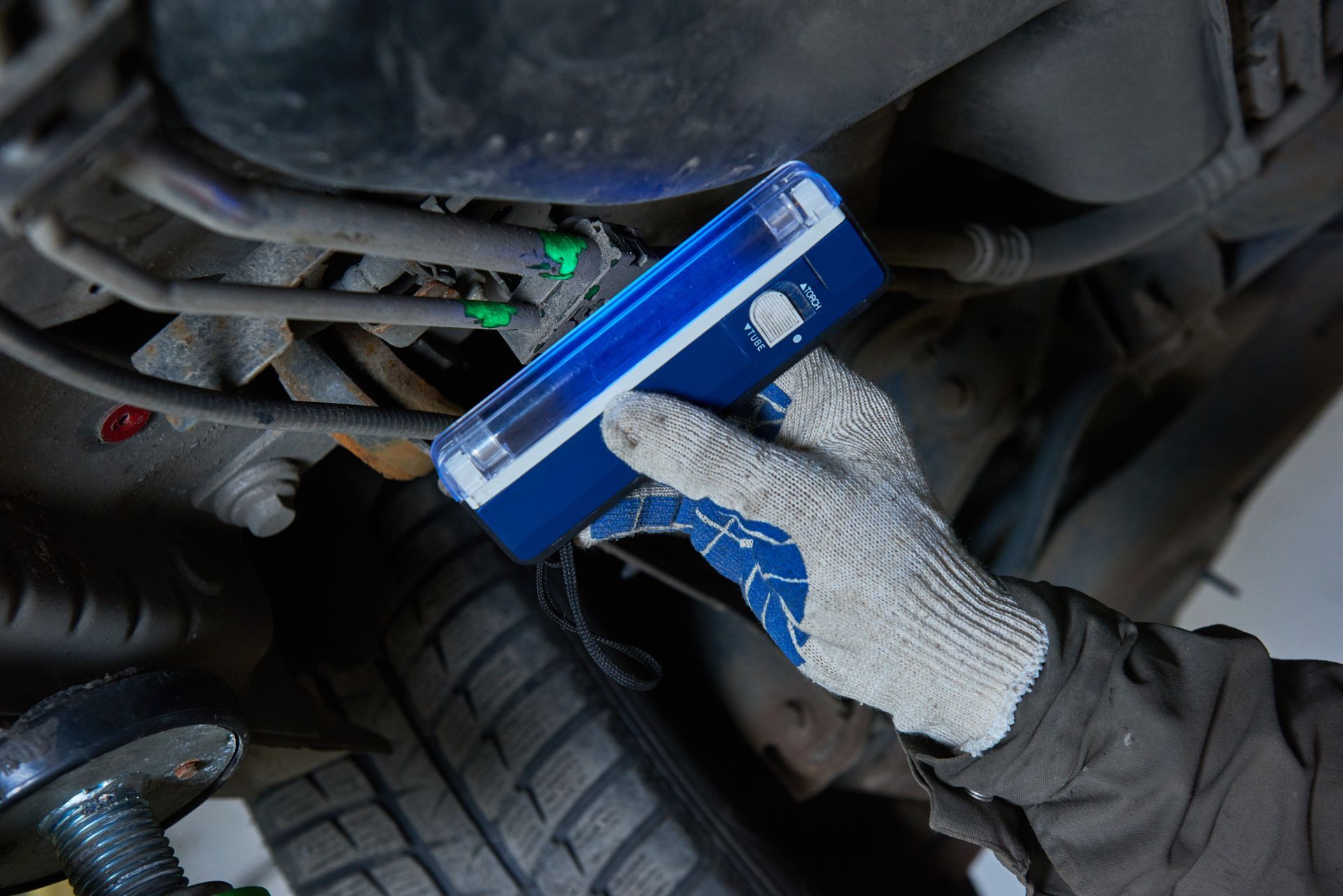
One issue we don’t like to ignore is a heater core leak. If you notice a sweet smell inside the cabin, greasy film on the inside of the windshield, or damp carpet near the front footwells, get it checked sooner. Coolant moisture inside the cabin will overwhelm any defroster.
A Practical Decision Guide For Next Steps
If fogging improves quickly when you switch to fresh air and use defrost with AC, you’re probably dealing with normal winter humidity, and a few habits, like drying out mats and cleaning the glass, can make a big difference. If fogging stays heavy no matter what settings you use, or you’re seeing damp carpets, musty odor, or a sweet smell, it’s time for an HVAC and leak check.
Pay attention to patterns. Does it happen only with passengers, or even when you drive alone? Is it worse after the rain? Does the fan feel weaker than it used to? Those details help us narrow it down faster.
Get Car HVAC Service in Endicott, NY with Precision Automotive Service NY
If your windshield fogs up quickly and the defroster is not keeping up, we can check airflow, the condition of the cabin filter, AC dehumidification, and any signs of moisture getting into the cabin. We’ll explain what we find and recommend the most sensible fix based on what your vehicle is doing.
Schedule your vehicle's HVAC service in Endicott, NY, with
Precision Automotive Service NY, and we’ll help you drive with clear windows on cold mornings.