Checking engine oil sounds simple, but small details can change the reading. A car parked on a slope, an engine checked too soon after shutting off, or a dipstick that is not wiped clean can all make the level look different from what it really is.
Oil level matters because the engine depends on oil every time it runs. A quick check at home can help you catch low oil, dirty oil, or signs of a leak before the vehicle starts showing bigger problems.
Why Engine Oil Level Is Worth Checking
Engine oil protects moving parts, helps control heat, and carries contamination away from internal surfaces. If the level gets too low, the engine has less protection where it needs it most. That can lead to extra wear, noise, overheating in certain areas, and damage that costs far more than an oil change.
Some vehicles burn or leak oil between services. Others stay steady for months. The only way to know is to check. Regular maintenance helps, but a quick oil check between visits can catch a problem before the dashboard warning light ever comes on.
Park On Level Ground First
The vehicle should be parked on level ground before you check the oil. If the car is tilted forward, backward, or to one side, the oil can sit unevenly in the pan. That can make the dipstick show a level that is too high or too low.
After parking, shut off the engine and let the oil drain back into the oil pan for a few minutes. Checking immediately after the engine stops can give a lower reading because some oil is still up inside the engine. The owner’s manual may specify a specific wait time; follow it if your vehicle lists one.
Find The Dipstick And Wipe It Clean
Open the hood and look for the engine oil dipstick. It often has a yellow, orange, or clearly marked handle, though the location varies by vehicle. If you are unsure, please check the owner’s manual before removing the wrong part.
Pull the dipstick out and wipe it clean with a lint-free cloth or paper towel. Then slide it fully back into the tube. Pull it out again and read the level. That second reading is the one to trust, because the first pull can smear oil along the stick from normal engine movement.
Read The Marks Correctly
Most dipsticks have two marks, holes, lines, or a crosshatched area. The oil should sit between the low and full marks. If it is near the low mark, the engine is down on oil and may need some added. If it is below the safe range, avoid driving until the level is corrected and the reason is understood.
Do not overfill the engine. Too much oil can create foaming, pressure concerns, leaks, and poor lubrication. Add oil slowly, usually a small amount at a time, then wait a minute and recheck. Our technicians see problems from both low oil and overfilled oil, so accuracy is worth the extra minute.
Pay Attention To Oil Condition Too
The level is only part of the check. Look at the oil’s color and texture. Fresh oil is usually amber or light brown. Used oil gets darker with normal driving, so dark oil alone does not always mean the engine is in trouble.
Gritty oil, thick sludge, a burnt smell, or milky oil is different. Milky oil can point toward moisture or coolant contamination. A strong fuel smell can suggest fuel dilution. If the oil looks unusual, schedule an inspection instead of simply topping it off and moving on.
What Low Oil Can Tell You
Low oil can indicate the vehicle is leaking oil, burning oil, overdue for service, or experiencing an internal issue. A small drop over time can happen on some higher-mileage engines, but repeated low readings should not be ignored.
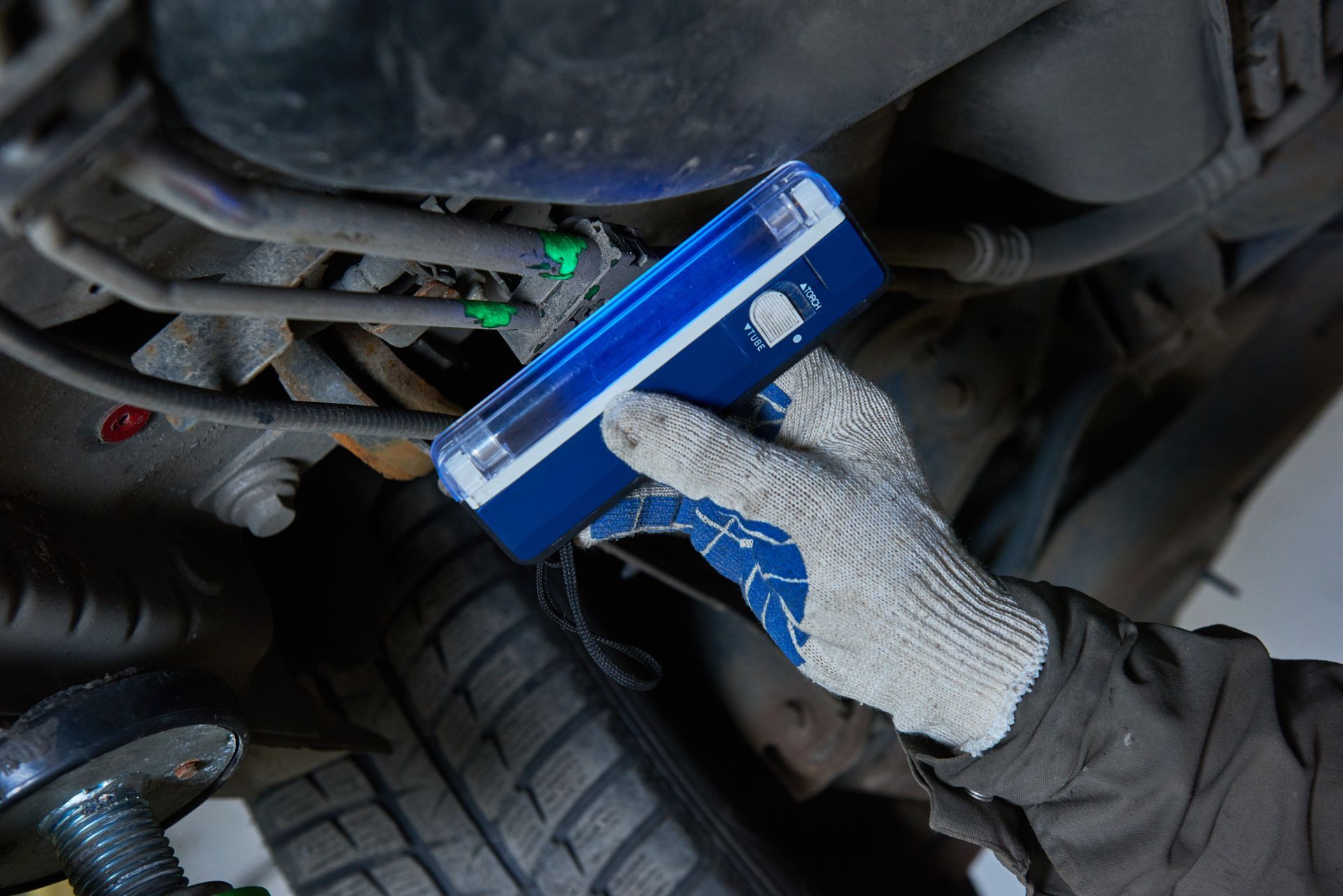
Look for oil spots under the car, a burning smell after driving, blue smoke from the exhaust, or oil residue around the engine. We look for the source of oil loss before assuming the engine is simply using oil normally. Finding the cause early can help prevent engine wear and keep the repair more focused.
When You Should Not Keep Driving
If the oil pressure warning light comes on, treat it as an urgent issue. That warning is not the same as finding the oil slightly low during a home check. Low oil pressure can mean the engine is not getting oil where it needs it, and driving farther can cause damage quickly.
If the dipstick shows no oil or the level is far below the safe range, do not just add oil and forget about it. Add the correct oil if needed, then have the vehicle checked. A sudden drop in oil level can indicate a leak or a consumption issue that needs attention.
Get Oil Change And Inspection Service In Endicott, NY, With Precision Automotive Service NY
If your oil level keeps dropping, your oil looks dirty, or you are not sure when the last service was done, Precision Automotive Service NY in Endicott, NY, can check the oil, inspect for leaks, and help keep the engine protected.
Bring it in before low or neglected oil starts causing wear you could have avoided.