A blown head gasket is one of those engine problems that can start with small clues and turn serious if the vehicle keeps being driven. The early signs may not look connected at first. The car may run hot one day, lose coolant another, or produce smoke only under certain driving conditions.
That is why drivers should know what to watch for. The head gasket seals the space between the engine block and cylinder head. When that seal fails, coolant, oil, and combustion pressure can end up where they do not belong. Catching the warning signs early can help limit damage and give you a clearer repair plan.
The Engine Starts Running Hot
Overheating is one of the most common warning signs of head gasket trouble. A failed gasket can allow combustion gases to enter the cooling system, raising pressure and interfering with coolant flow. The temperature gauge may climb higher than normal, especially in traffic, on hills, or after longer drives.
Overheating can also be caused by a thermostat, radiator, water pump, cooling fan, hose, or coolant leak. Still, if the engine keeps running hot after basic cooling system issues are checked, the head gasket needs to be considered. Driving an overheated engine can quickly damage the cylinder head, seals, and internal parts.
Coolant Keeps Disappearing
Coolant should stay in the system. If the level keeps dropping and there is no obvious puddle under the vehicle, the coolant may be escaping internally. A head gasket leak can allow coolant to enter the cylinders or mix with engine oil.
Drivers may notice the coolant warning light, a sweet smell, or the need to top off the reservoir again and again. Topping off coolant might get you home, but it does not solve the problem. If coolant loss keeps returning, an inspection should be scheduled before the engine overheats or the oil becomes contaminated.
White Smoke From The Exhaust
Thick white smoke from the exhaust can be a warning sign that coolant is entering the combustion chamber and burning with the fuel. A little vapor from the tailpipe on a cold morning can be normal. Smoke that continues after the engine warms up, smells sweet, or gets heavier during acceleration is different.
White smoke does not always mean the head gasket has failed, but it should be checked. Coolant burning inside the engine can damage spark plugs, oxygen sensors, catalytic converters, and internal engine parts. The sooner the source is confirmed, the better your chance of avoiding additional damage.
Milky Or Contaminated Engine Oil
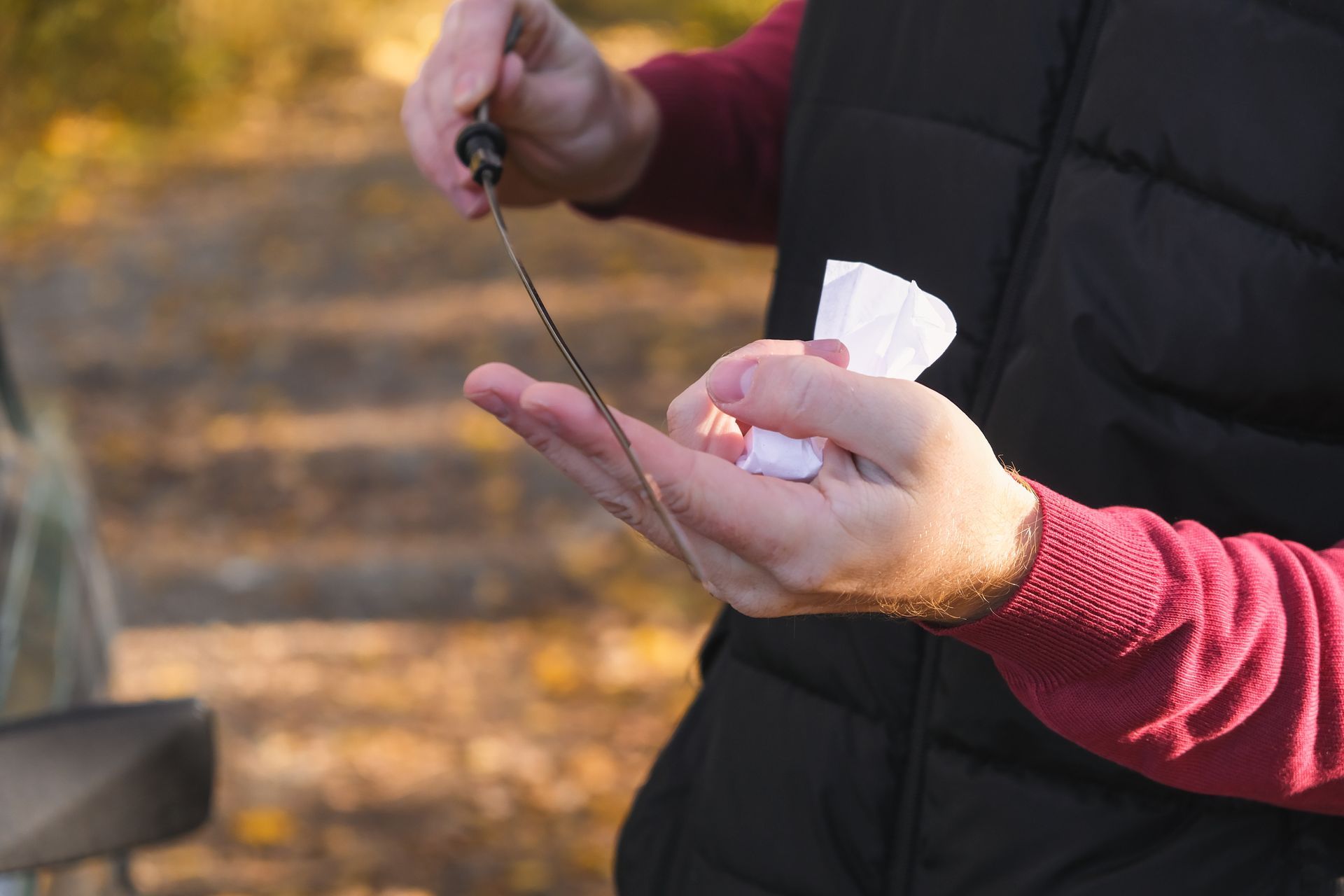
Engine oil should not look like chocolate milk or have a creamy, frothy appearance. That milky look can happen when coolant mixes with oil. Since oil is supposed to protect bearings, camshafts, timing parts, and other internal surfaces, coolant contamination is a serious concern.
Contaminated oil cannot protect the engine the way clean oil should. It can cause rapid wear, especially if the vehicle keeps being driven. Regular maintenance can help catch oil condition problems during service, but any unusual oil appearance should be checked right away.
Bubbles In The Coolant Reservoir
Bubbles in the coolant reservoir or the radiator can indicate combustion gases entering the cooling system. A head gasket leak can push pressure from the cylinders into the coolant passages. That pressure can create bubbles, overflow, or repeated coolant loss.
This sign can be easy to miss because most drivers do not look inside the cooling system during normal driving. Also, opening a hot cooling system is dangerous because hot coolant and pressure can spray out. A shop can test for combustion gases in the coolant safely and confirm whether the head gasket is involved.
Rough Running, Misfires, Or Hard Starts
A leaking head gasket can affect how the engine runs. Coolant entering a cylinder can cause rough idle, misfires, hesitation, or a harder start after the vehicle sits. In some cases, the check engine light may come on because the engine is not firing evenly.
Misfires have many possible causes, including spark plugs, ignition coils, fuel injectors, sensors, and compression problems. Head gasket testing helps separate those causes. If coolant is entering a cylinder, replacing ignition parts alone will not fix the real issue.
Why Head Gasket Testing Matters
A head gasket repair is not something to recommend casually. The symptoms need to be tested because overheating, coolant loss, smoke, and rough running can come from several places. Pressure testing, block testing, compression testing, leak-down testing, oil inspection, and cooling system checks may all be part of the process.
The goal is to confirm what failed and how much damage has already happened. A careful diagnosis can show whether the vehicle needs head gasket repair, cooling system repair, engine work, or another service entirely. Waiting too long can turn a gasket problem into a larger engine repair.
Get Head Gasket Repair In Endicott, NY, With Precision Automotive Service NY
If your vehicle is overheating, losing coolant, blowing white smoke, running rough, or showing signs of oil and coolant mixing, Precision Automotive Service NY in Endicott, NY, can test the engine and cooling system to find the cause.
For head gasket testing and repair guidance you can trust, contact us to schedule an appointment.