A hesitation when you press the gas pedal can make a car feel unpredictable. You ask for power, but the engine pauses, stumbles, jerks, or feels like it has to think before responding. Sometimes it only happens from a stop. Other times, it shows up while merging, climbing a hill, or trying to pass.
That delay is not something to ignore. Acceleration hesitation can result from ignition problems, fuel delivery issues, airflow problems, dirty sensors, transmission issues, or engine control problems. The vehicle may still drive, but it is giving you a warning that power is not being delivered cleanly when you need it.
The Engine Needs Air, Fuel, And Spark At The Right Time
Acceleration is a coordinated job. The engine needs more air, the right amount of fuel, strong spark, and correct timing. If one part of that process is late or weak, the car can hesitate when you press the pedal.
The hesitation may feel like a short pause, a stumble, a flat spot, or a jerking motion. It can be worse when the engine is cold, when the A/C is on, when the vehicle is under load, or when you press the gas harder than usual.
That pattern matters during an inspection. A hesitation at light throttle points in a different direction than hesitation under hard acceleration. The more specific the symptom, the easier it is to narrow down the cause.
Worn Spark Plugs Or Weak Ignition Coils Can Cause A Stumble
Spark plugs ignite the air-fuel mixture inside the engine. Ignition coils provide the high voltage needed to fire the plugs. When plugs wear out, or coils weaken, the spark may not be strong enough under load.
That often shows up during acceleration. The engine may idle acceptably, then stumble when you press the gas because the rising cylinder pressure requires the spark to work harder. You may feel a jerk, roughness, or brief power loss.
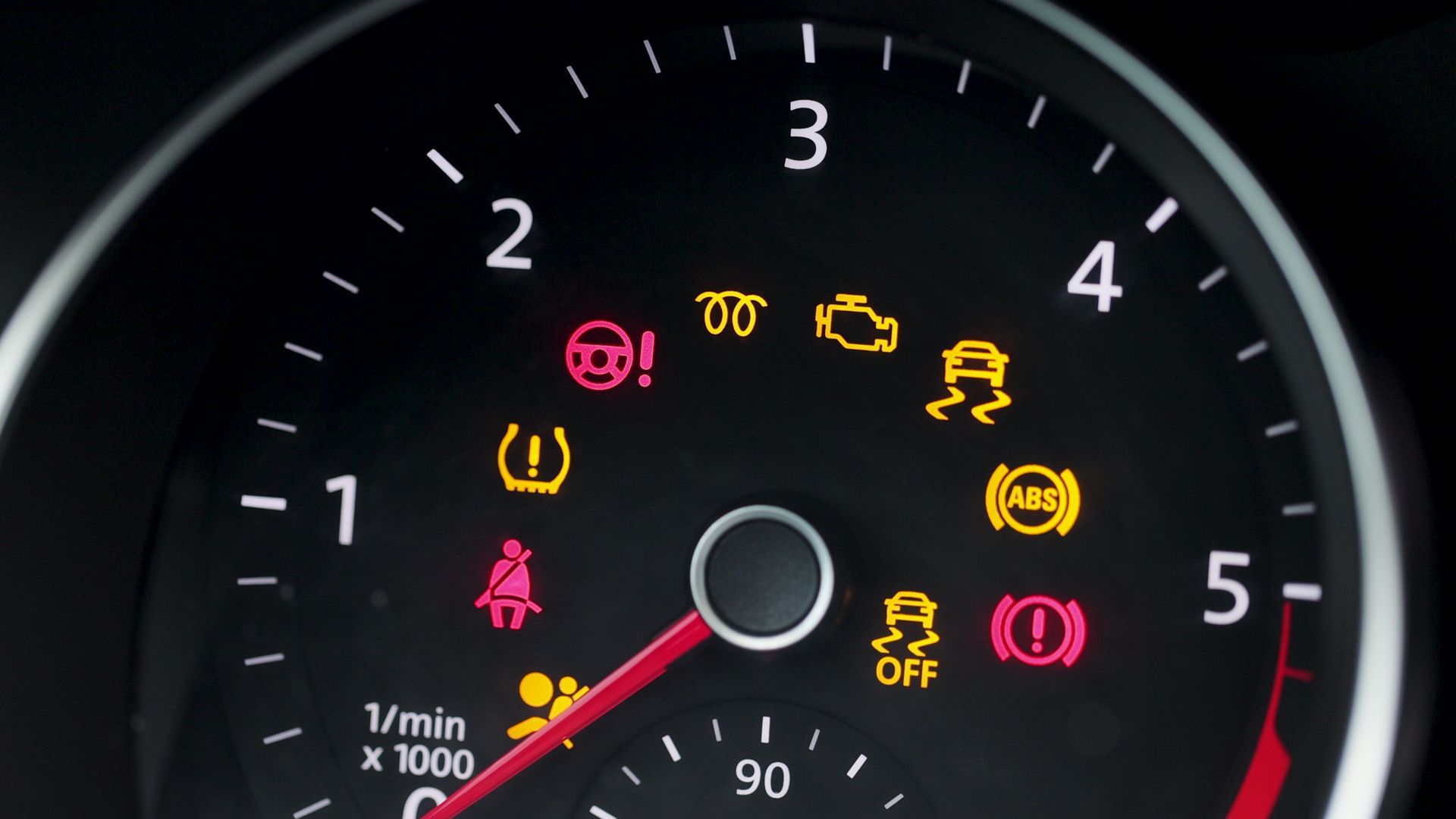
A misfire can also turn on the check engine light. If the light flashes, the problem is more urgent because unburned fuel can damage the catalytic converter. Ignition parts should be tested before replacement, as fuel, air, and compression issues can cause similar symptoms.
Fuel Delivery Problems Can Feel Like The Car Is Starving
When you accelerate, the engine needs more fuel. If the fuel pump, injectors, filter, pressure regulator, or related controls cannot keep up, the engine can hesitate or fall flat.
A weak fuel pump may provide enough fuel for idle and gentle driving but struggle during hills, merging, or higher-speed acceleration. Dirty injectors can affect the spray pattern, leading to uneven combustion. On some vehicles, a restricted fuel filter can reduce flow and create a delayed response.
Fuel delivery issues can also cause long cranking, poor fuel economy, rough idle, or power loss at higher speeds. Testing fuel pressure, volume, and injector operation helps separate a real fuel problem from something that only feels like one.
Dirty Airflow Sensors Can Confuse The Computer
Modern engines rely heavily on sensor information. The mass airflow sensor, throttle position sensor, oxygen sensors, and, on some vehicles, the manifold pressure sensor and coolant temperature sensor all help the computer decide how much fuel to add.
If a sensor is dirty, slow, or sending inaccurate information, the engine may not respond correctly when the gas pedal is pressed. A dirty mass airflow sensor can misread incoming air. A throttle body problem can delay airflow. A coolant temperature sensor that reads wrong can affect fuel mixture.
The car may not always set a clear code right away. Sometimes the first sign is a hesitation that comes and goes. Live data can show whether the engine computer is sensing the same conditions the driver feels.
Vacuum Leaks And Intake Problems Can Create A Flat Spot
Air entering the engine should be measured and controlled. A cracked intake hose, loose clamp, leaking vacuum line, bad PCV hose, or intake gasket leak can allow extra air into the engine. That extra air can make the mixture lean and cause hesitation.
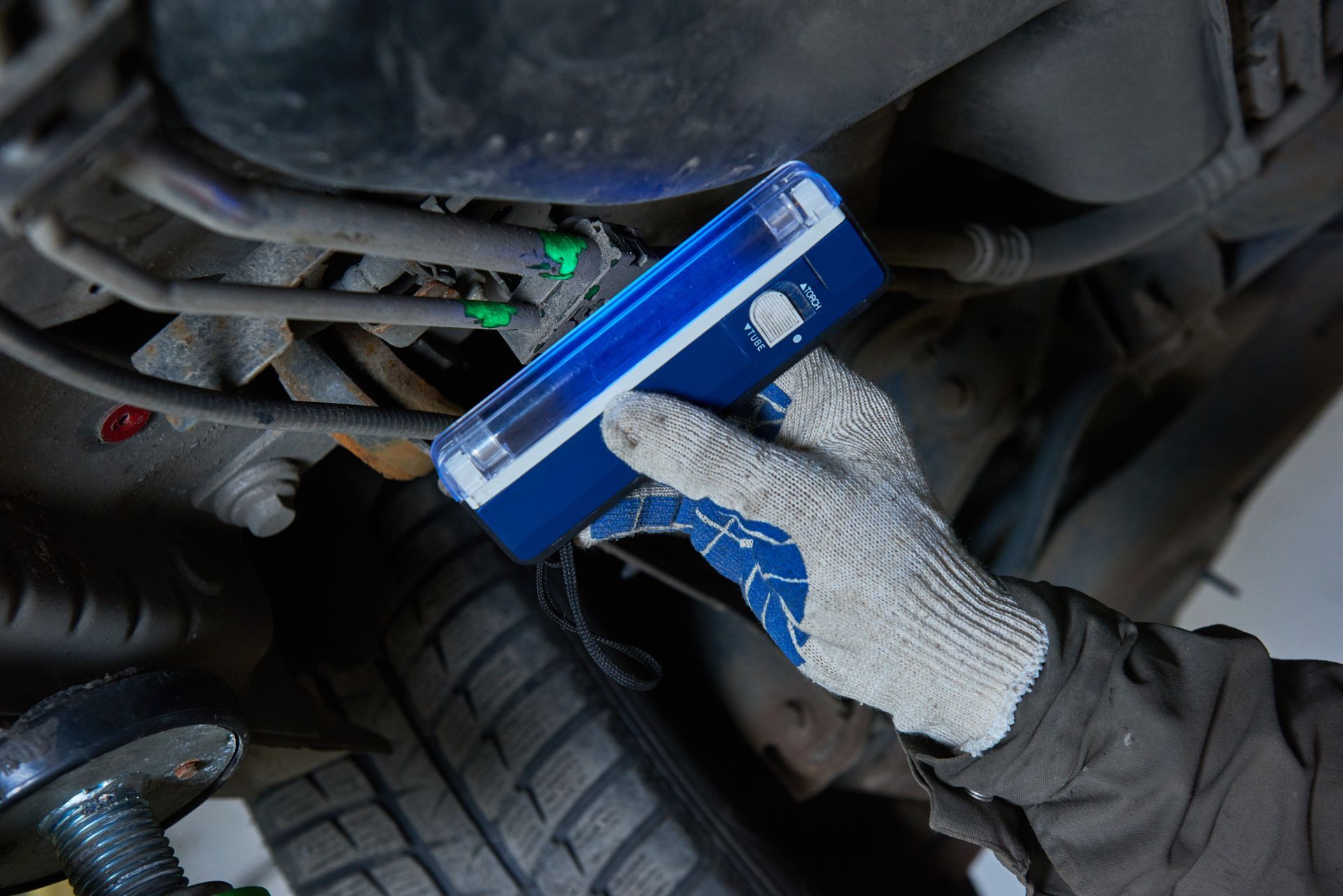
Vacuum leaks are often worse at idle or light throttle, but they can also affect acceleration. The engine may stumble, surge, idle rough, whistle, or set lean codes. Some leaks are easy to see. Others need smoke testing to find.
A small split in an intake boot can widen further when the engine is under load. That means the car may act normal in the driveway and hesitate on the road.
Transmission Problems Can Feel Like Engine Hesitation
Not every delay after pressing the gas comes from the engine. The transmission has to respond too. If it hesitates to downshift, slips, shifts late, or has old fluid, the vehicle may feel like the engine is not responding.
Pay attention to the tachometer. If the engine RPM rises but the car does not accelerate normally, the transmission or drivetrain may be at fault. If the engine feels like it bogs down before RPM rises, the issue may be more engine-related.
Transmission hesitation can be caused by fluid condition, internal wear, valve body concerns, sensor inputs, mounts, or control problems. A road test helps separate engine stumbling from delayed power transfer.
Clues That Help Find The Cause
Acceleration hesitation can be easier to track when the details are clear.
- A stumble from a stop can point toward throttle body buildup, airflow sensor problems, vacuum leaks, fuel delivery issues, or ignition wear.
- A hesitation while merging or climbing hills often points toward weak ignition, low fuel pressure, restricted airflow, or transmission downshift concerns.
- A jerk or shake during acceleration can mean a misfire, worn spark plugs, weak coils, bad mounts, or drivetrain movement.
- A hesitation that is worse when the engine is cold may involve fuel mixture, sensors, carbon buildup, or ignition parts that struggle before the engine warms up.
- A delay with rising RPM can point toward transmission slip or drivetrain problems rather than a simple engine response issue.
These clues guide testing, but they do not replace a proper inspection. Several systems can create the same feeling from the driver’s seat.
Why You Should Not Wait For It To Get Worse
Acceleration hesitation can become a safety issue when you need power quickly. Pulling into traffic, merging onto the highway, or crossing an intersection is not the time to wonder whether the engine will respond.
Regular maintenance helps prevent many hesitation problems. Spark plugs, filters, fluids, throttle body condition, intake hoses, and fuel system health all affect how the vehicle responds. If the check engine light is on or the hesitation is getting stronger, diagnostics should be performed before more parts are damaged.
Get Acceleration Hesitation Diagnostics In Endicott, NY, With Precision Automotive Service NY
If your car hesitates, stumbles, jerks, bogs down, or feels delayed when you press the gas pedal, Precision Automotive Service NY in Endicott, NY, can check the ignition system, fuel delivery, airflow sensors, intake system, transmission behavior, and related parts.
To diagnose acceleration hesitation before the problem gets worse,
contact us to schedule an appointment.