The phrase lifetime fluid can make it sound as though a lubricant or hydraulic fluid will protect a vehicle forever. In practice, lifetime usually refers to the expected service life of a component under the manufacturer’s defined operating conditions. It does not mean the fluid is immune to heat, oxidation, contamination, moisture, or mechanical wear.
Whether replacement is appropriate depends on the vehicle, fluid type, service information, mileage, driving conditions, and maintenance history. Some systems have clear replacement intervals, while others are described as filled for life and require a more vehicle-specific decision.
What Manufacturers Mean by Lifetime Fluid
Manufacturers use lifetime fluid language differently. In some cases, it means the fluid is expected to last through the vehicle’s projected service period without routine replacement under normal use. In others, it means no interval appears in the standard maintenance schedule, although service may still be required after contamination, leakage, overheating, or component repair.
The term may also reflect regulatory planning, warranty expectations, reduced advertised maintenance costs, or a sealed-system design. It should not be interpreted as a promise that the fluid will retain all of its original properties for unlimited mileage.
Factory service information sometimes provides separate recommendations for severe operation. Towing, repeated short trips, commercial use, mountain driving, extreme temperatures, and long periods of stop-and-go traffic can place greater heat and load on lubricated components.
Why Automotive Fluids Still Deteriorate
Fluids protect gears, bearings, valves, clutches, pumps, seals, and other internal parts. They reduce friction, transfer pressure, carry heat, and suspend tiny wear particles. The additives that perform these jobs gradually weaken during use.
Heat promotes oxidation, which can thicken the fluid and create varnish. Repeated pressure cycles can alter viscosity and reduce anti-wear protection. Moisture can enter through vents and seals, while friction materials and metal particles collect as components operate.
A fluid may still look clean while its additives have changed. The opposite can also occur: some fluids darken during normal use without being completely worn out. Color alone is not enough to determine whether service is required.
Which Systems May Use Lifetime Fluid?
Lifetime fluid language is most commonly associated with transmissions, differentials, transfer cases, electric drive units, and some power steering systems. Each assembly has different operating conditions and service requirements.
Systems commonly described this way include:
- Automatic transmissions
- Manual gearboxes
- Continuously variable transmissions
- Dual-clutch transmissions
- Front and rear differentials
- Transfer cases
- Electric reduction gearboxes
- Sealed hydraulic steering systems
One vehicle may have several lifetime-filled units, each requiring a different fluid. All-wheel-drive models can have separate transmission, transfer case, and differential lubricants. Servicing one does not address the others.
When Fluid Replacement May Be Appropriate
Replacement deserves consideration when the manufacturer provides an interval for severe use, the vehicle has accumulated high mileage, or its history is unknown. Service may also be appropriate after overheating, water exposure, internal repair, or discovery of significant contamination.
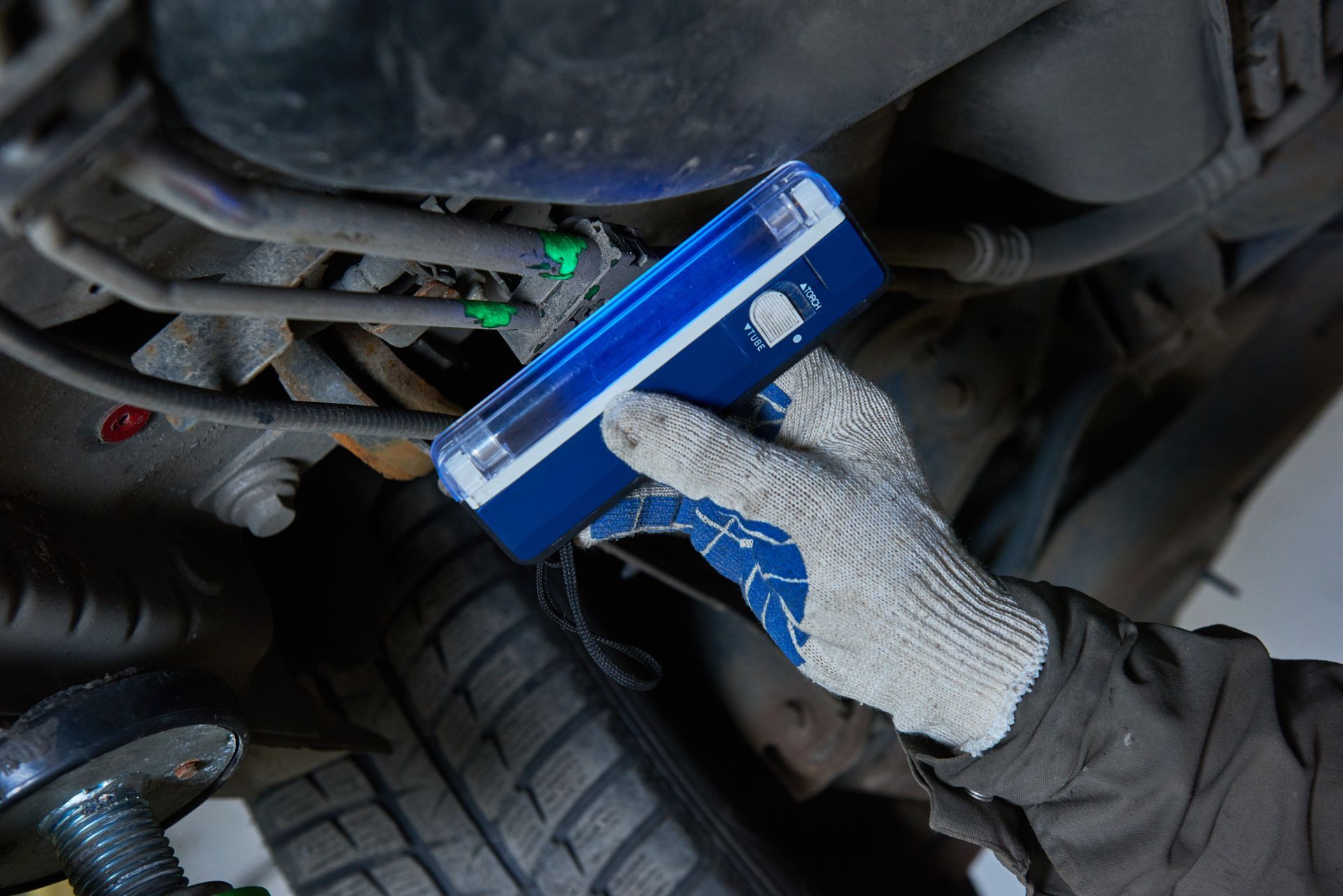
Leaks change the situation immediately. A sealed assembly should not need repeated topping off. Low fluid can starve bearings, gears, clutches, and pumps, causing damage before the driver notices a major change in operation.
Warning signs that require evaluation include delayed engagement, harsh shifting, shuddering, whining, grinding, fluid spots, overheating warnings, and vibration under load. Fluid replacement cannot repair worn clutches, damaged bearings, failed solenoids, or broken gears. Testing should identify the cause before service is presented as a correction.
Why Service Procedures Are So Important
Modern transmissions and driveline units can be sensitive to fluid specification and level. A product with the wrong friction characteristics may cause poor shifts, clutch problems, noise, or internal wear even when its viscosity appears similar.
Some units have no dipstick. Fluid level may need to be checked with the vehicle level, the engine running, and the fluid within a narrow temperature range. Others require scan-tool commands, pump activation, or a specific filling sequence.
The service method also deserves attention. A drain-and-fill replaces part of the fluid, while removing a pan may allow filter replacement and internal inspection. A fluid exchange replaces a larger percentage but must be performed with suitable equipment and the approved product. The correct method depends on the system’s condition and manufacturer procedure.
Is High-Mileage Fluid Service Risky?
Drivers sometimes hear that changing old transmission fluid will cause failure. Fresh fluid does not create worn clutches, damaged seals, or failing bearings. However, a neglected unit may already have substantial internal wear, and service cannot reverse that damage.
Before recommending work, technicians should review operation, fluid level, leakage, stored fault information, service history, and fluid condition. If the transmission is slipping, contains heavy debris, or shows evidence of internal failure, fluid replacement alone is unlikely to restore proper performance.
A careful inspection helps separate preventive service from an existing mechanical problem. The customer should understand what the service can achieve and what symptoms may remain afterward.
How to Decide What Your Vehicle Needs
Start with factory information for the exact model year, engine, transmission, and drivetrain. Then compare those requirements with the way the vehicle is used. A lightly driven highway vehicle and a tow vehicle operating in heavy traffic place very different demands on their fluids.
Accurate records are especially valuable. They show which fluids were installed, when the work was completed, and whether supporting items such as filters, seals, or pan gaskets were replaced.
Regular maintenance should be based on the complete vehicle rather than a broad lifetime label. The strongest plan considers manufacturer guidance, current condition, driving demands, and the expected length of ownership.
Get Lifetime Fluid Service in Endicott, NY, With Precision Automotive Service NY
Precision Automotive Service NY can review your vehicle’s factory requirements, maintenance history, fluid condition, and operating symptoms. Our team can check transmissions, differentials, transfer cases, and other lubricated assemblies before recommending service.