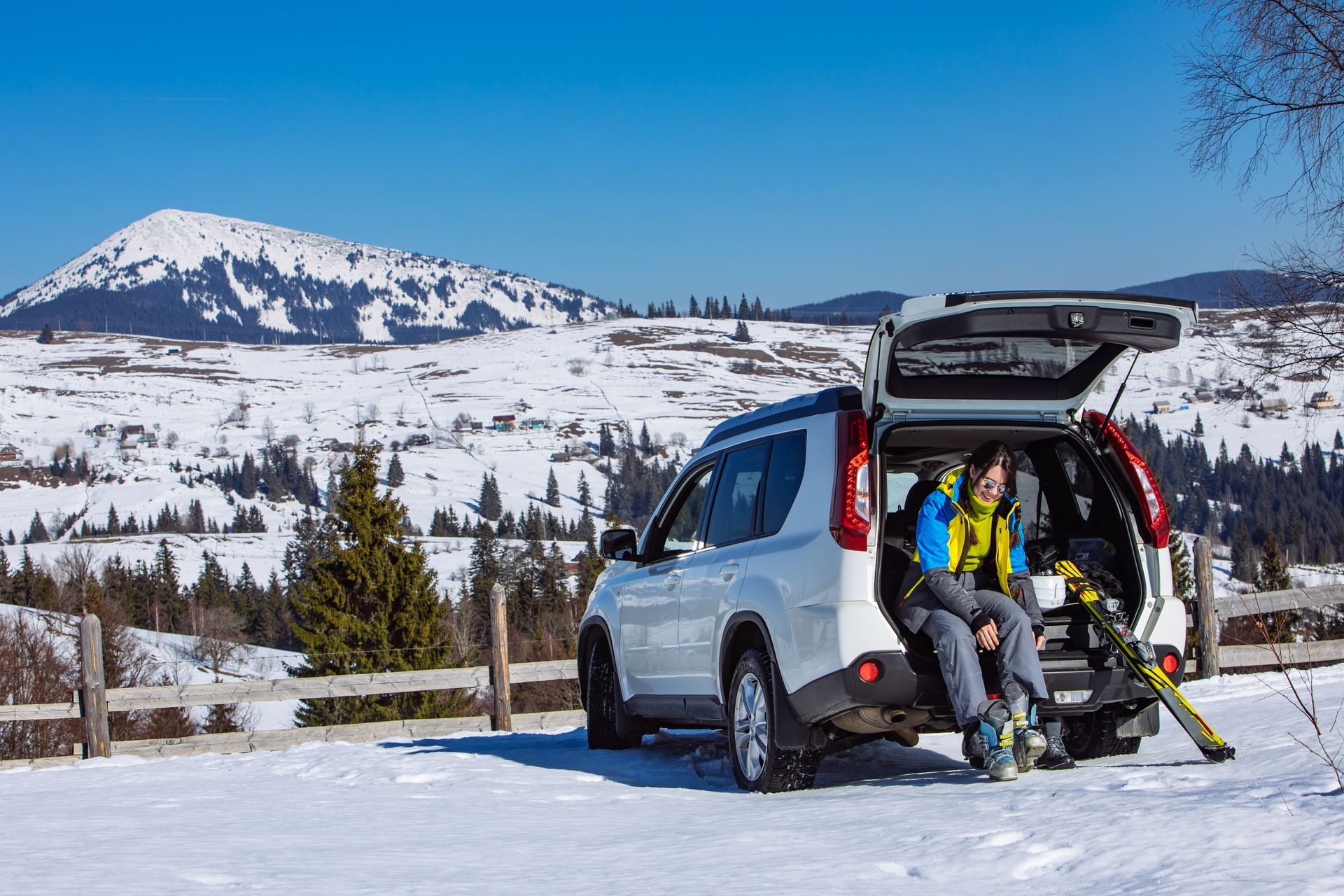
A car that started all summer instantly can suddenly crank slower once cool fall mornings arrive. You may hear the starter turning for an extra second, notice the lights dim during startup, or find that the engine needs a second attempt before it fires.
The battery is an obvious suspect, but it is not the only possibility. Colder temperatures expose weaknesses throughout the starting system, including battery connections, starter motors, ignition components, and fuel delivery. Before replacing anything, it helps to understand what changes when the temperature drops.
Cold Weather Reduces Battery Output
A car battery produces electricity through a chemical reaction. When temperatures fall, that reaction slows, and the battery cannot deliver power as easily as it can during warm weather.
At the same time, the starter needs a strong burst of current to turn the engine. A battery that had just enough capacity left during summer can suddenly struggle on a chilly Endicott morning. If cranking is noticeably slower first thing in the day but improves once temperatures rise, battery condition moves high on our inspection list.
Summer Heat May Have Weakened the Battery First
Drivers often blame cold weather for killing a battery, but summer heat can do much of the damage. High under-hood temperatures speed up internal corrosion and shorten battery life over time.
The battery can continue starting the engine normally while the weather stays warm because the starting load is easier. Fall removes that advantage. Once temperatures drop, a battery that lost capacity during summer finally shows it. That is why the first cool morning often seems to cause the failure even though the battery had been weakening for months.
Slow Cranking Does Not Always Mean the Battery Is Bad
If the engine turns slowly, we also look at the electrical path between the battery and starter. Loose battery terminals, corrosion, damaged cables, or poor ground connections can restrict current and create symptoms that feel exactly like a weak battery.
A worn starter can do the same thing. Internal wear can increase the amount of current the starter needs or make it turn the engine inconsistently. At our shop, we test battery condition, cable voltage drop, and starter performance together instead of installing a battery simply because the engine cranks slowly.
Normal Cranking With Hard Starting Points Somewhere Else
If the engine cranks at its normal speed but takes longer to actually start, the battery may not be the main issue. The engine is already turning fast enough, so we begin looking at fuel, ignition, and sensor information.
Worn spark plugs, weak ignition coils, low fuel pressure, leaking injectors, or inaccurate temperature sensor readings can all make cold starts harder. A vehicle that cranks strongly for five seconds before firing gives us a very different clue from one that barely turns over. Paying attention to that difference can prevent unnecessary battery replacement.
Short Trips Can Leave a Battery Undercharged
Starting the engine removes energy from the battery, and the alternator needs driving time to put that energy back. If most trips are only a few miles, the battery may never return to a full charge before the next start.
Cooler fall weather can make this worse because headlights, blower motors, heated seats, rear defrosters, and windshield wipers increase electrical demand. Regular maintenance helps us spot a battery that is staying undercharged before it reaches the point where one cold morning leaves the vehicle unable to start.
Watch for Signs the Battery Is Actually Getting Weak
Battery trouble usually gives some warning before the car dies completely. The symptoms tend to become more noticeable as overnight temperatures fall.
Common clues include:
- Slower cranking first thing in the morning
- Repeated clicking when you try to start
- Headlights dimming heavily during cranking
- Interior electronics resetting
- Needing a jump after the car sits overnight
- Starting improving after a longer drive
- Battery terminals showing heavy corrosion
- A battery that is already several years old
If several of these are happening together, battery testing is a better next step than waiting for a no-start.
Testing Tells You More Than Battery Age Alone
Battery age is useful information, but it does not tell us exactly how much capacity remains. Some batteries last longer than expected, while others become weak earlier because of heat, vibration, repeated deep discharges, or charging-system problems.
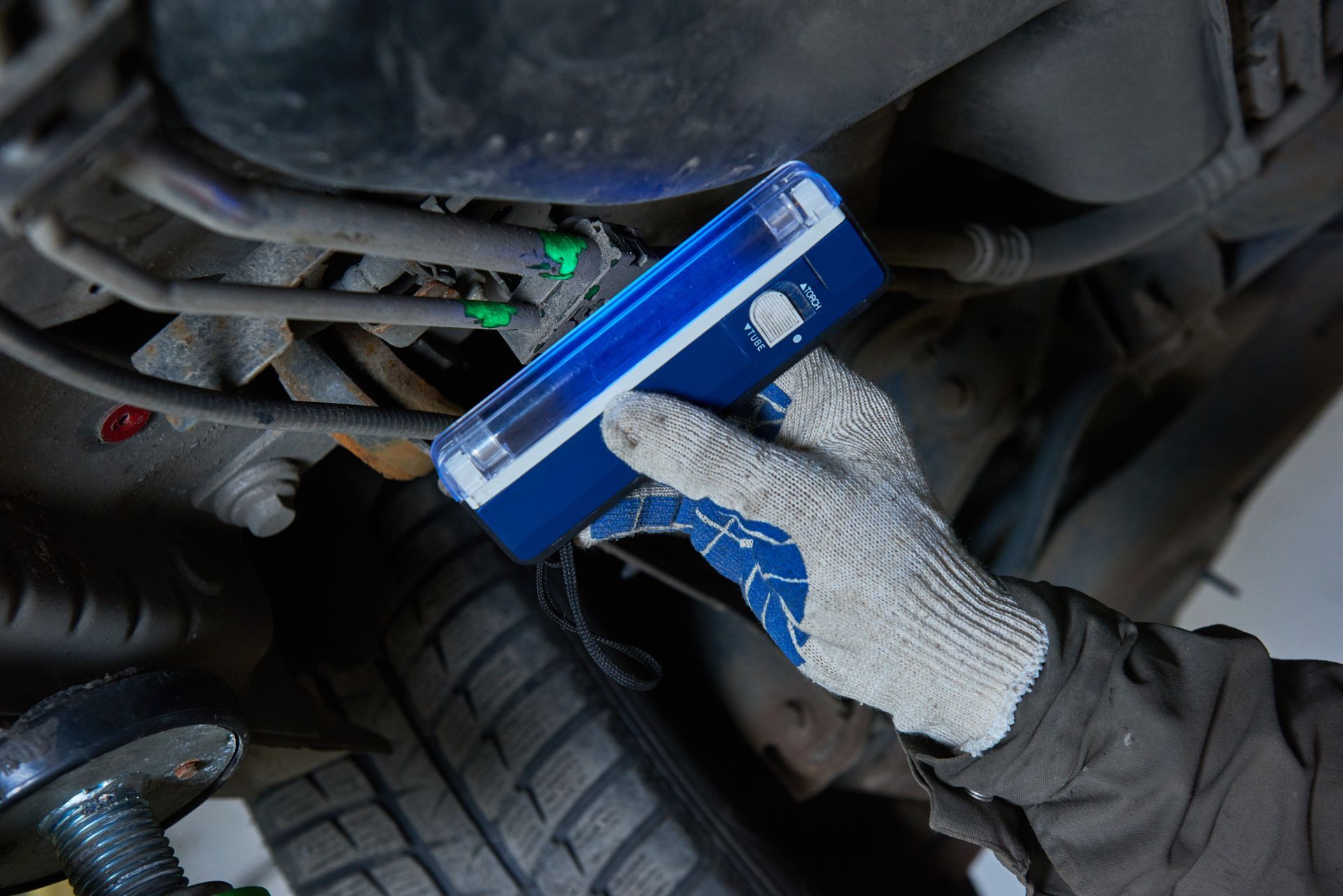
A proper battery test measures its ability to deliver starting power under load. We also check alternator output because replacing a weak battery will not solve a charging problem. If the alternator is undercharging, the new battery can end up in the same condition surprisingly quickly.
Get Battery and Starting System Service In Endicott, NY, With Precision Automotive Service NY
If your vehicle has become harder to start on cool fall mornings, Precision Automotive Service NY in Endicott, NY, can test the battery, charging system, starter circuit, and related components to find out what is causing the change.