The check engine light comes on, and an online search points toward a sensor. Another page suggests a fuel problem, while a forum recommends replacing several ignition parts. How can one warning produce so many answers? The light identifies that the vehicle has detected a condition; it rarely tells the entire repair story by itself.
Precision testing connects that warning with what the car is actually doing. It combines your description, stored information, measurements, and the appropriate service procedures. For drivers in Endicott, that process can make the difference between a repair tied to evidence and a series of parts purchases that never resolve the complaint.
Precision Testing Starts With The Driver's Description
When a problem occurs it is often as useful as what it feels like. An engine that hesitates only while climbing a hill starts from a different place than one that shakes at idle every morning. The same is true of a car that won't start after a long stop but restarts normally when warm.
Describe the sequence in ordinary language. Was the engine cold? Had you just refueled? Did the warning appear before the loss of power or afterward? You don't need to guess a component name. Clear observations help the technician choose tests that match the actual conditions rather than chase a broad symptom in every possible direction.
Fault Codes Guide Precision Vehicle Testing
Stored codes report conditions the vehicle's control systems have detected. A code associated with a sensor can reflect that sensor's output, its wiring, a power supply, or a mechanical condition changing what it measures. The named component isn't automatically the part that needs replacement.
For example, a mixture-related warning can involve unmetered air, fuel delivery, or inaccurate feedback. A misfire warning can have ignition, fuel, or mechanical causes. Reading the code is a useful first step, but the repair recommendation should follow checks that narrow down the relevant possibilities for your car.
Live Vehicle Data Shows What Happens During Operation
A scan tool can display information while the engine and other systems operate. The technician may compare temperatures, commanded settings, measured responses, and related values under suitable conditions. A reading that looks acceptable at idle may change when the engine is loaded, or the vehicle reaches operating temperature.
The information needs interpretation. One unusual number doesn't necessarily identify the cause, and a normal-looking value doesn't prove every system is healthy. Comparing related signals and checking the conditions that produced them helps establish whether a control command, electrical input, or physical response is responsible for the symptom.
Electrical Testing Can Find Hidden Connection Problems
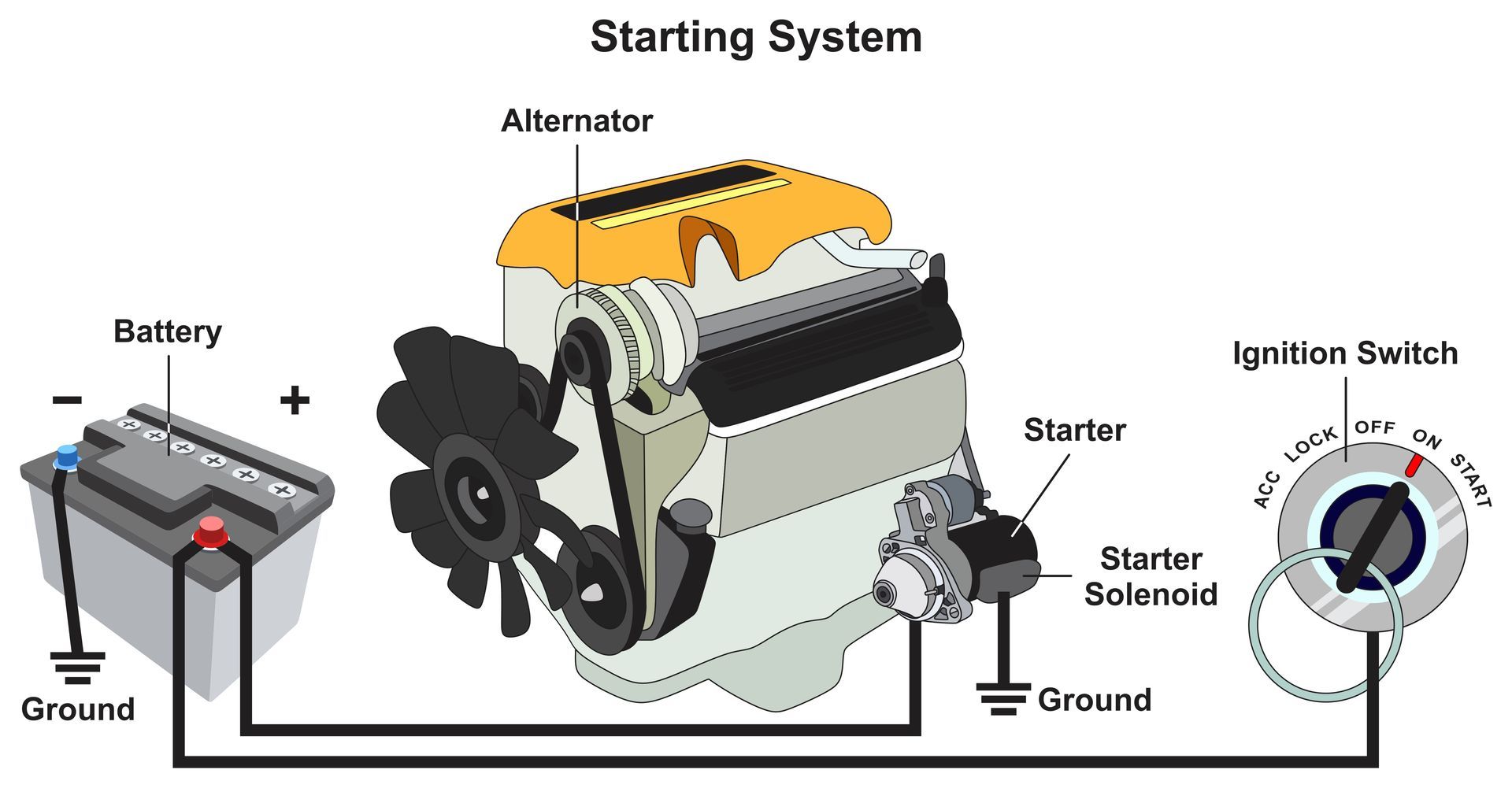
A poor ground, corroded connector, or damaged wire can interrupt operation without obvious exterior damage. Testing voltage supply and voltage loss under load helps establish whether a component receives what it needs. Some checks also examine the timing or shape of an electrical signal when the vehicle's system requires it.
This is useful when replacing a battery, sensor, or actuator would leave its supply problem untouched. The appropriate equipment and test method depend on the circuit. A continuity check alone may miss a connection that fails when current demand rises, which is why the operating conditions of the test are part of a reliable result.
Mechanical Tests Help Confirm Engine Condition
Not every performance complaint begins with electronics. Compression, sealing, intake leaks, fuel pressure, and other physical conditions can influence how an engine runs. The technician selects checks that fit the engine design and the evidence already gathered, rather than performing every available test on every vehicle.
Replacing a healthy ignition coil won't fix a rough idle caused by an air leak. Likewise, a control system can report a problem created by a worn mechanical component. Connecting electrical and mechanical findings helps explain the cause and any related consequences before an estimate is prepared.
Intermittent Car Problems Need A Repeatable Pattern
A warning that comes and goes can leave stored information even when the vehicle behaves normally at the shop. Some faults still require monitoring or a controlled test drive to appear. Clearing codes or disconnecting the battery beforehand can remove useful context and reset readiness information.
Bring details that help reproduce the complaint:
- The temperature and driving conditions when it happened.
- How long the vehicle had been running or parked.
- Recent maintenance, repairs, or added equipment.
- Photos of warning messages or safe recordings of the symptom.
- Whether another change appeared at the same time.
These observations narrow the work. If the shop can't confirm the concern immediately, it can explain what it checked and what further observation would help, rather than guessing at a completed answer.
Precision Testing Helps Define The Repair Scope
Once the cause is confirmed, the estimate should identify the work supported by the findings. It may include a failed component, a damaged connection, a software procedure, or related maintenance. The shop should explain which items address the complaint and which are separate recommendations based on condition or service history.
Two estimates can look different because one includes testing and another lists a suspected part. Ask what evidence supports the recommendation and what happens if the symptom remains. A clear explanation helps you compare the actual work involved, including whether a related system also needs attention.
Repair Verification Checks: The Original Car Problem
Installing a part isn't the final check. The vehicle should be evaluated according to the relevant repair procedure, with attention to the original symptom and system operation. Some concerns require a warm restart, specific operating conditions, or a suitable drive before you can assess the result.
If you notice a remaining or new symptom afterward, describe it precisely. An intermittent issue and an unrelated wear item can coexist. Verification helps establish what the repair corrected and whether something else still needs inspection, while useful records make future visits easier to understand.
Get Vehicle Testing In Endicott, NY
Precision Automotive Service NY in Endicott, NY, can inspect warning lights, starting trouble, and changing vehicle performance. We can review your observations, explain the test findings, and discuss the repair supported by the condition of the systems involved.
Contact us to schedule an inspection and bring a clear description of the concern you want checked.